DESIGN DIALOGUE WITH CROSTA SMITH

Good design has a way of crossing borders.
In the 1920s and ’30s, France and Sweden were developing their own ideas of modernity. In Paris, designers such as Pierre Chareau and Jean-Michel Frank experimented with material, geometry and craftsmanship. In Stockholm, Gunnar Asplund and his contemporaries balanced classical ideals with an emerging Scandinavian simplicity.
Different in temperament, perhaps, but not always in principle. At Crosta Smith Gallery, we look at the distance – and surprising proximity – between them.


Tell us about Crosta Smith Gallery — what inspired it, and how did the gallery take shape?
Crosta Smith Gallery came about when Danny and I first moved in together and discovered how much we both liked "things".It all started from joining forces to build a home and a collection.
From the very beginning, what drew you to French Art Deco and Modernism?
I'm French and I grew up in France, so I guess it is part of my DNA. It feels natural to gravitate towards things that you know and that are perhaps etched in your memory.
Danny and I did a lot of travelling and reading together, and while we have explored other eras, countries and design styles, we always came back to French design from the first half of the 20th century.

Are there any particular designers or periods that have influenced your style and taste?
The obvious answer is the designers and makers that we are proud to present at the gallery — Jean-Michel Frank, Pierre Chareau, Émile-Jacques Ruhlmann and André Groult, among others.
It is one thing to covet a piece found in a book or in archival documentation, and another to experience it in the flesh, study how it's made and appreciate its presence in a room. Still mesmerised to this day!
What design aspects do you look for when choosing an object for the gallery?
Quality and purity of form.

Do you see any design parallels between French Art Deco and Swedish Grace?
Restraint and elegance are the adjectives that come to mind when comparing the two. In both French Art Deco and Swedish Grace, there’s a sense of editing. You might have beautiful materials, decorative details or strong geometric elements, but they’re carefully balanced, creating a sense of elegance and timelessness.


What is it about these objects that continues to fascinate people, almost a century on?
I think timelessness lies in the execution. Well-made things can stand the test of time.
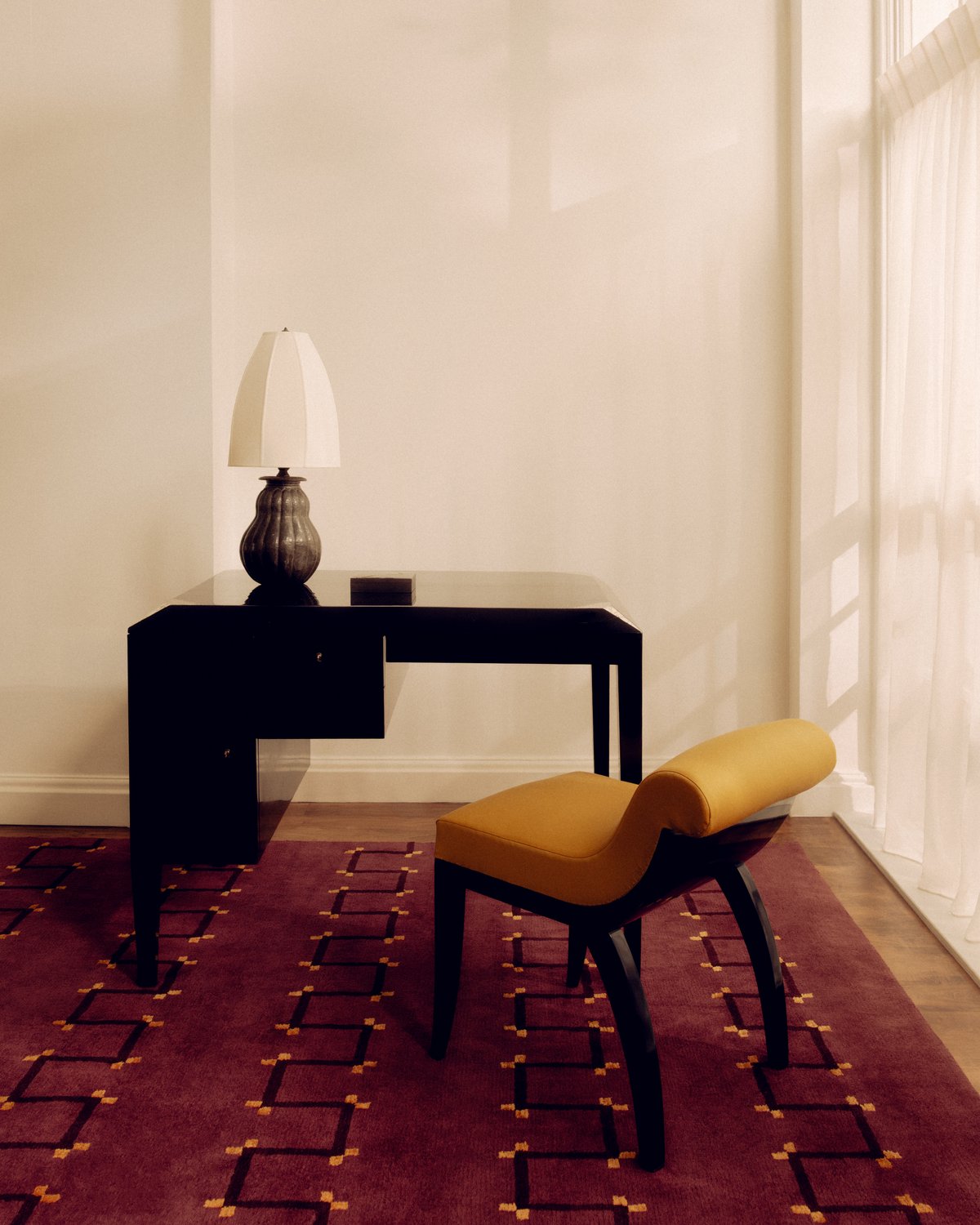
Matches – Plum, Crosta Smith Gallery, London.

Crosta Smith Gallery, London.
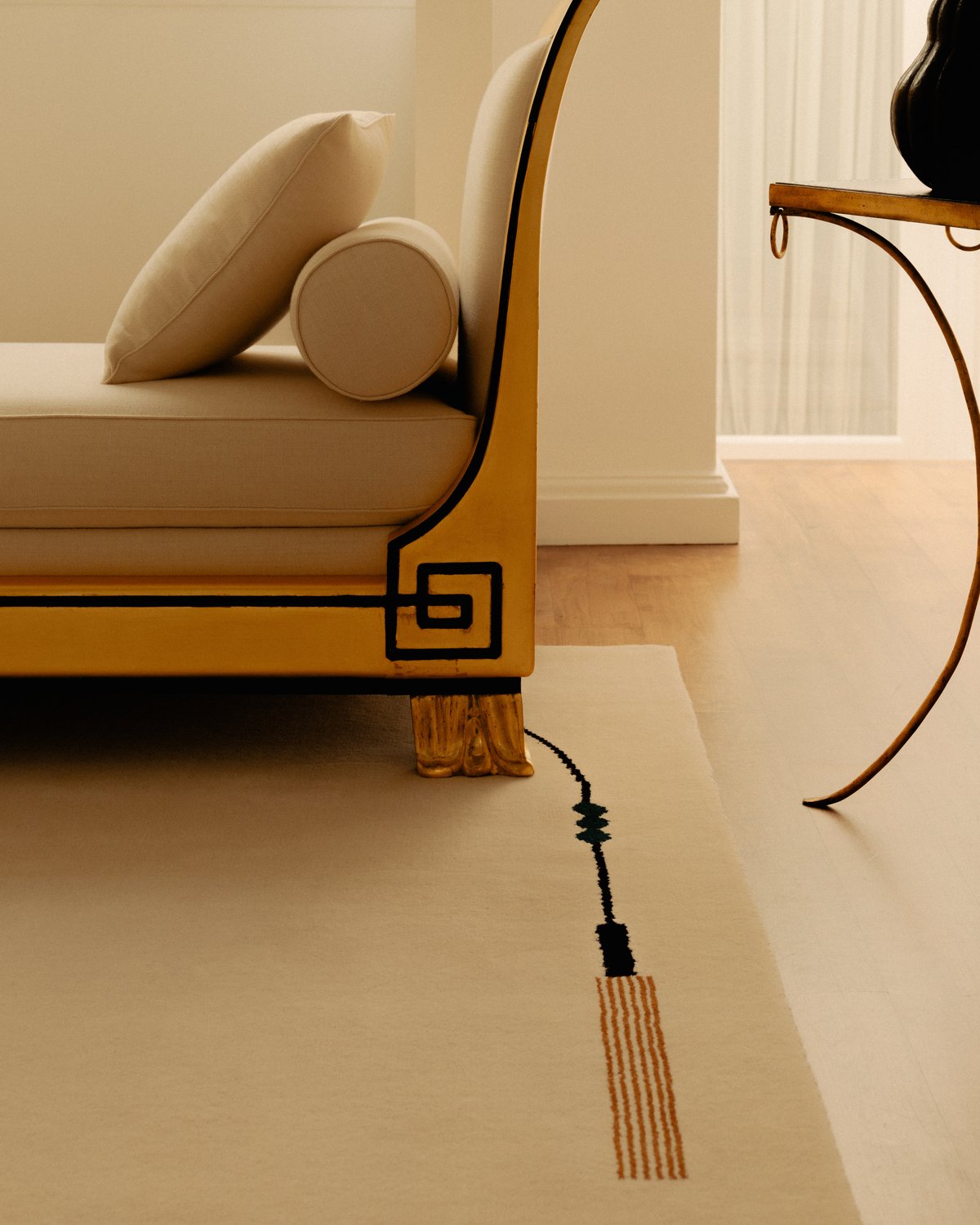
Grace 02 – Tassel, Crosta Smith Gallery, London.
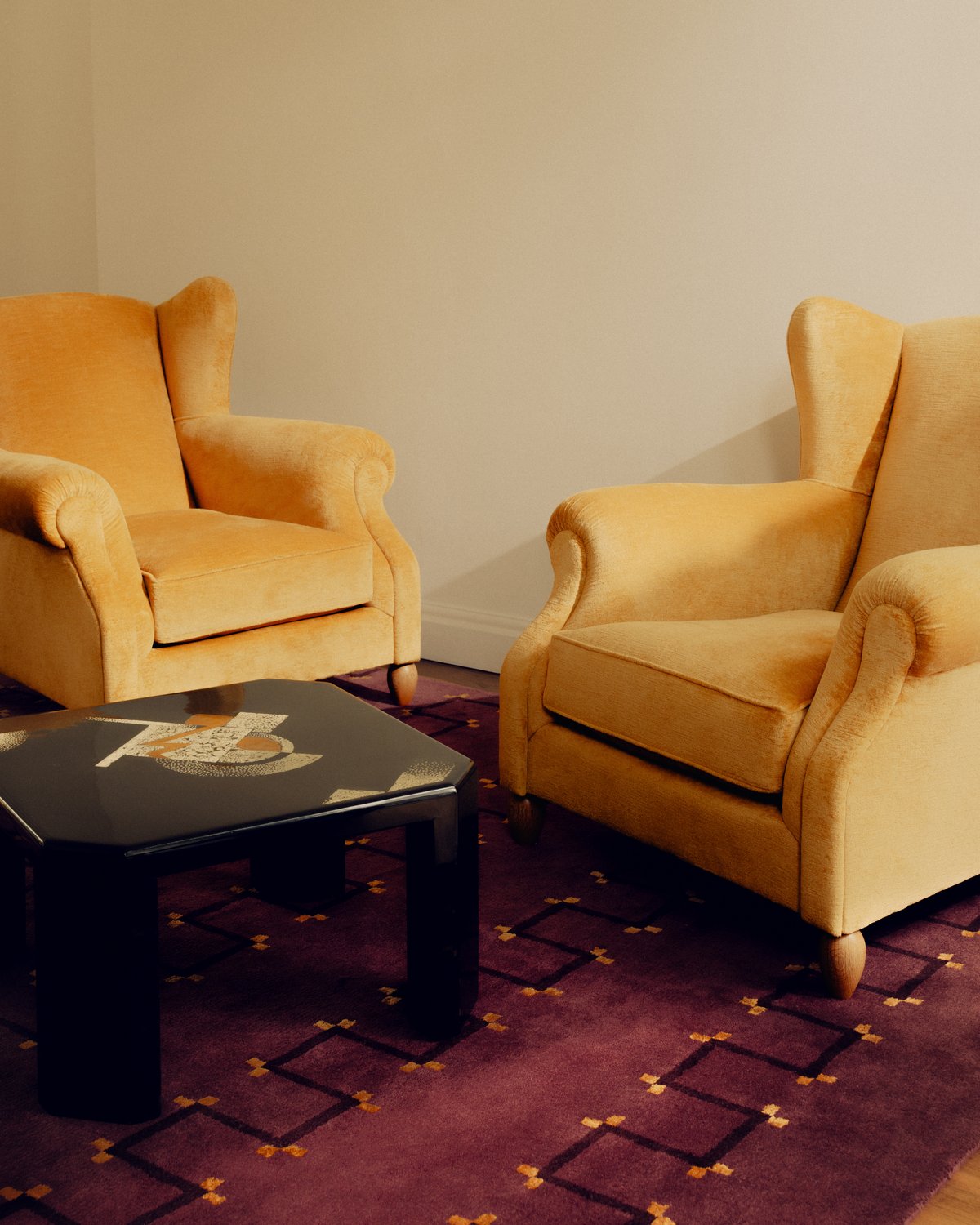
Matches – Plum, Crosta Smith Gallery, London.
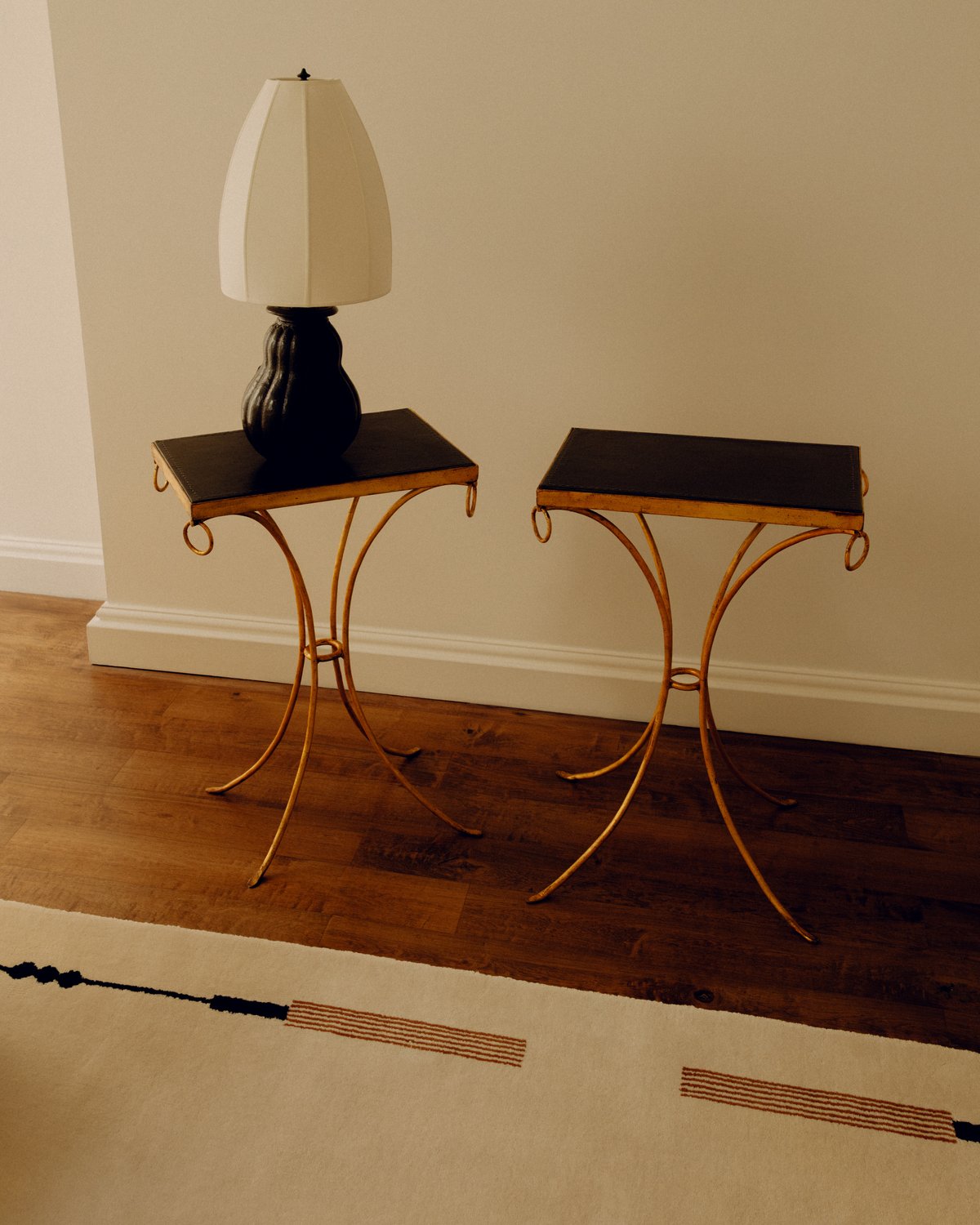
Grace 02 – Tassel, Crosta Smith Gallery, London.
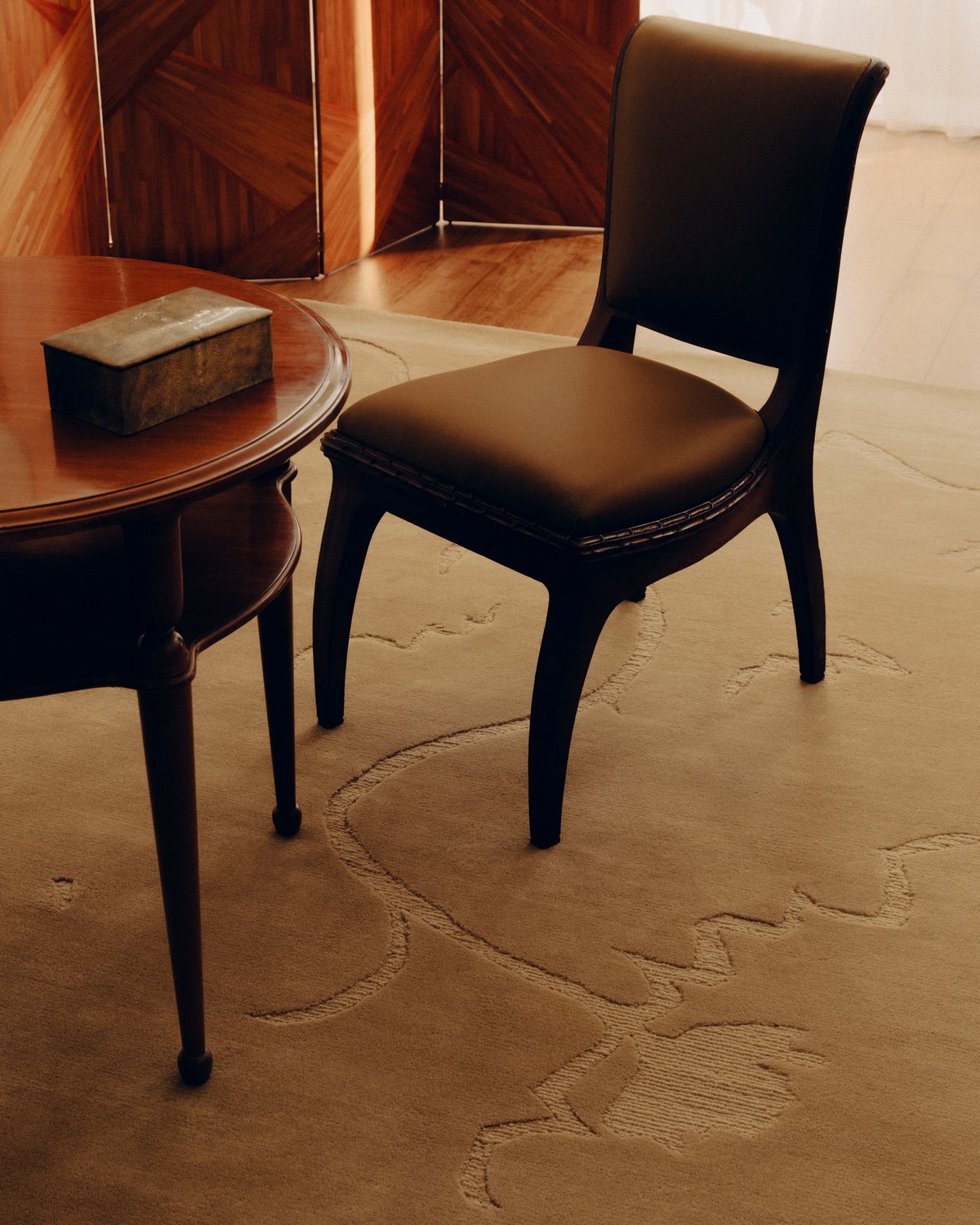
Dancing Flower – Sand, Crosta Smith Gallery, London.


